
David O. Williams/Vail Daily
With Connect for Health Colorado’s Jan. 15 deadline for Feb. 1 individual market health insurance looming and massive sticker shock settling in as 2026 premiums have skyrocketed, Eagle health insurance broker Bethe Wright says reality is starting to set in for small businesses, self-employed workers and others who aren’t insured by their employer.
Owner of The Wright Insurance Co. in Eagle, Wright says a surprisingly low number of her more than 800 clients have canceled despite premiums in some cases nearly tripling starting Jan. 1, although she adds that in recent days a growing number of people are starting to second-guess their policies. But most people absolutely have to have insurance.
“One scenario is I have an unhealthy kid, or someone in our family’s unhealthy; we can’t not have the coverage, so we’ll pay whatever because we have to do it,” Wright said. “That’s the sad scenario that I’m hearing.”
The huge spike has been caused by Congress failing to extend the premium tax credits under the Affordable Care Act. In some areas of the state, premiums have increased as much as 150%. But preexisting conditions, which are guaranteed coverage under the ACA, mean many families cannot conceivably go without health insurance despite upwards of $50,000 in annual premiums.
“There are people that have autoimmune (disorders) that are on these $6,000 drugs per month. There’s a lot of mental health stuff going on, and those people cannot afford to not have coverage,” Wright said. “And there’s a hell of a lot of cancer in this valley … everywhere really.”

Support Local Journalism
Small business owner Caroline Leonardo of Edwards said she and her husband paid $1,000 a month last year for her husband and two kids, and without the ACA credits their premium just went up to $2,400 a month, with the kids dropping off their plan.
Leonardo spent a full week trying to find other options and bought a policy that came in around $1,000 a month with much lower deductibles than her previous plan, but then the company that sold it to her would not provide an actual policy in writing. When she tried to cancel it, the company made it very difficult and insisted on proof of another plan in place.
“Short story, there are some dishonest folks trying to scam people right now,” Leonardo said. “I’m right back where I started with Anthem, only it’s a 140% increase after spending a lot of time looking for something else. I did consider not doing it but I’m a cancer survivor.”
Leonardo said the ACA tax credits were great, and we were all paying for them with our taxes, but now we’re all paying for it another way.
“I considered cancelling my policy but then realized we’re trapped,” Leonardo said. “We need to have the protection in case we were to get sick or something were to happen.”
Wright said there will be ripple effects for everyone, even people covered by employer plans, and that the local economy will suffer as a result. She provides a hypothetical example of a family of four whose health insurance could consume $44,000 of their overall gross income of $130,000 next year but have to have coverage because of preexisting health conditions. Going without coverage risks bankruptcy or worse.
“So the hairstylist is going to raise their rates, and the electrician is going to raise their rates,” Wright said. “Or let’s say I own a boutique in Beaver Creek. Well, I’m going to raise my prices.”
Some young, relatively healthy people may be forced to go without insurance next year because of the skyrocketing costs, risking thousands in hospital bills for something as common as a ski injury, but Wright said many of her clients can’t roll the dice that way.
With health insurance premiums now on par with a monthly mortgage in a ski town, where so many people work on a contract basis, for a small company, or are simply self-employed, larger company plans will be impacted by people dropping their insurance in some areas because the risk pool will shrink, causing insurance companies to jack up their rates even more.
“People are going to have to make the choice between rent or their health insurance premium, or food on the table or their health insurance premium, because of how unaffordable (premiums are) going to get,” said Mannat Singh, executive director of the Colorado Consumer Health Initiative. “They’re going to be at risk of needing care and not having coverage for it, and then having an even worse financial situation.”
Asked if Vail Health is bracing for more uninsured people skipping preventative health care and seeking care in the emergency department, Vail Health President and CEO Will Cook replied via email:
“Vail Health has prepared for a potential increase in uninsured patients overall,” Cook said. “We believe strongly in preventative health care and annual visits, as they help patients work with their provider teams to stay ahead of potential health issues and get further upstream of disease. The Vail Health Emergency Department provides exceptional care, as proven by the consistent recognition by Press Ganey with the Guardian of Excellence award for patient experience; however, the Emergency Department is designed to take care of emergencies and is not a place to seek preventative care.
“Despite Vail Health’s total expenses increasing 4.5% in 2025, Vail Health’s reimbursement rate rose by less than 1%,” Cook added. “This gap reflects mounting financial pressure on health systems, as well as our efforts to curb price increases for patients. Vail Health is fortunate to provide primary and specialty care services through Colorado Mountain Medical’s diverse team of providers and care staff. We also partner closely with Mountain Family Health Centers and other healthcare local providers to help serve the community need.”
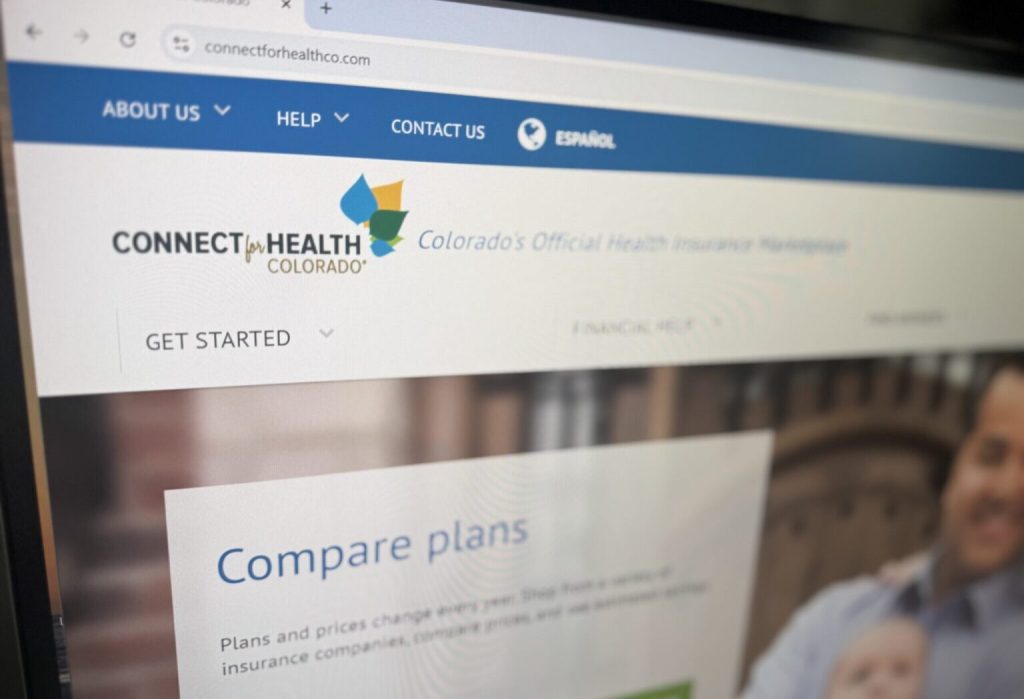
Connect for Health Colorado, the state exchange, is the only place where Coloradans can still get financial help with their insurance premiums, with an estimated 65% of customers qualifying for financial help. Registrations have been slightly ahead of last year’s pace.
Go to Connect for Health Colorado’s website to search for plans by the Jan. 15 deadline. There is still an outside shot Congress will act to extend the ACA credits, possibly retroactively.
Wright urges people to explore all of their options, or to email her at [email protected] and she’ll see what she can do (The Wright Insurance Co. does not charge a fee to people seeking insurance).
link